1. Walk the grounds
For outdoor spaces, the crew walks fence lines, planters, corners and bushes where needles collect.
Indian River, MI · Cheboygan County
Worried about what is hiding in drawers, bags or a vacant building in Indian River? Call (877) 812-4220. Crews check the whole space, collect sharps with tools and clean up afterward.
If anyone is in danger, call 911 first. For a suicide crisis, call or text 988.
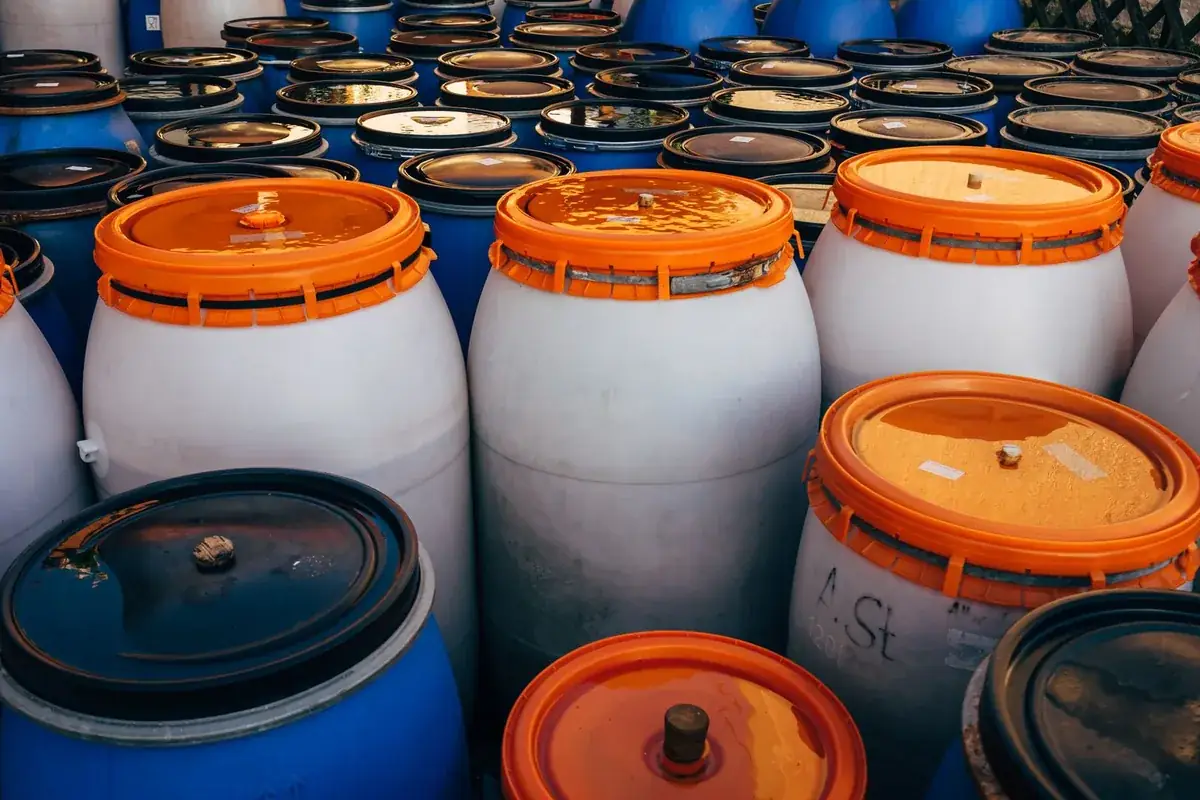
Sharps removal for a property owner means getting a vacant lot, rental or business cleared of discarded needles so people can use the space again without worry.
If you own property in Cheboygan County, call Indian River Biohazard Cleanup Help for needle pickup before sales, repairs or new tenants. The crew checks the whole property in Indian River and removes sharps with the right tools and containers.
Most homes in Cheboygan County are owner occupied, with renters at about 14% of households, so many needle calls come from families clearing a home or yard. Tell the doctor where the needle was found. The nearest emergency room to Indian River is Mclaren Northern Michigan, about 15 miles away.
A typical needle & sharps cleanup job includes:
For outdoor spaces, the crew walks fence lines, planters, corners and bushes where needles collect.
Cleanup technicians wear puncture-resistant gloves, eye protection and boots for the sweep.
Needles, syringes and any other sharps are gathered and sealed as they are found.
Hard surfaces are cleaned with EPA-registered products. Soaked fabrics may be removed and bagged.
The cost of needle & sharps cleanup in Indian River, MI depends on the amount of material, how it is packed and how it is hauled.
The number of sharps matters because each needle must be found, lifted and sealed, and large amounts mean more containers and more disposal.
| Type of job | Typical range |
|---|
Published ranges only (); every needle & sharps cleanup job in Indian River is priced after an on-site look. Price drivers include number of items, where they are found, whether a sweep of a large area is needed, waste disposal. Questions? Call (877) 812-4220.
No. This page explains how needle and sharps cleanup works. It is not medical, legal or insurance advice. For exposure or symptoms, contact a doctor or Poison Control, and for local programs ask the health department.
Safer options exist. Many cities and health departments have programs for found needles and may give instructions or send someone. If you are unsure, do not touch it. Leaving a needle in place and keeping others away is safer than risking a stick.
They can be tucked into couch cushions, mattress seams, drawers, vents and ceiling tiles. That is why a sharps sweep covers more than the floor. Crews check hidden spots with tools and light before declaring a room clear.
No. Recapping or bending a used needle is one of the most common ways people get stuck. Leave it where it is and let a cleanup team lift it with a tool and place it in a container.
Lease terms and local law decide. A landlord, an attorney or a tenant rights group can say who is responsible. In many cases the property owner books the sweep first so the unit can be used again, and the cost is sorted out afterward.
Sometimes. Some homeowners and renters policies cover cleanup after a covered event, and many do not cover needles on their own. Call your insurance company before work starts, take photos from a safe spot, and keep every receipt. Check your policy rather than assuming.
A full sweep finds the needles you can see and the ones you cannot.
Call (877) 812-4220